
Mastering the Dynamics of Sports Broadcasting: Techniques and Trends to Elevate Coverage
Understanding the Basics of Sports Broadcasting
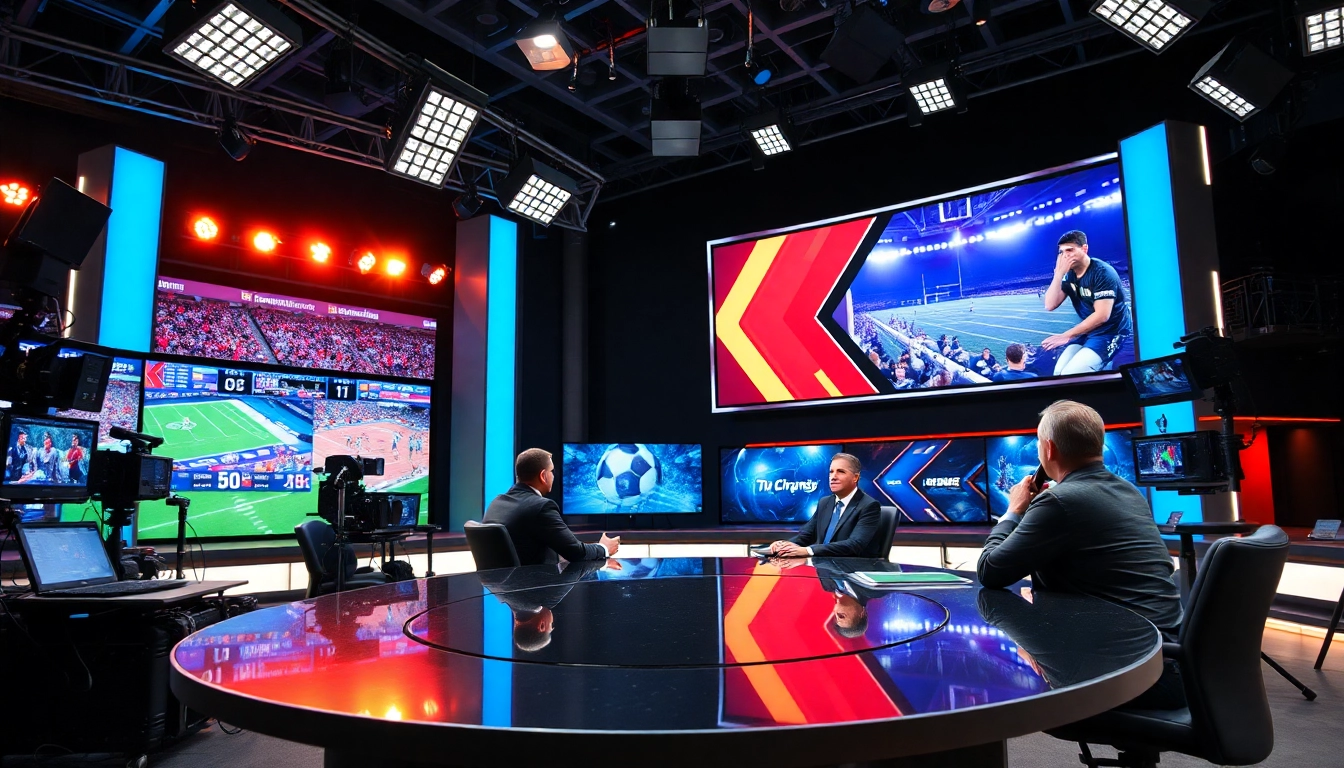
Sports Broadcasting, a vibrant part of the media landscape, encompasses the live or recorded transmission of sporting events through various platforms. The evolution of this field has redefined how fans engage with their favorite sports, making it essential for broadcasters to innovate continuously. As the digital age progresses, understanding the foundations of Sports Broadcasting becomes crucial for anyone looking to thrive in this dynamic environment.
Historical Evolution of Sports Broadcasting
The history of Sports Broadcasting is a fascinating journey, starting from the early radio broadcasts of the 1920s to the current streaming phenomena. Initially, sporting events were shared via radio, allowing fans to tune into play-by-play commentary. The advent of television in the 1950s revolutionized the industry, bringing visual elements into play, thus enhancing the viewer’s experience.
In recent decades, the emergence of cable sports networks led to round-the-clock coverage, introducing viewers to various sports, including niche markets. The explosion of the internet brought forth live streaming and on-demand content, allowing fans to engage with games anytime, anywhere. Each step in this evolution has set new standards for viewer expectations and broadcasting strategies.
Key Components of Sports Broadcasting
Several critical components define effective Sports Broadcasting:
- Production Quality: High-quality visuals, sound, and editing are paramount to engaging audiences.
- Commentary: Effective commentary enhances the viewing experience by providing insights and keeping the audience informed.
- Graphics and Statistics: The use of graphics, replays, and real-time statistics enriches the viewer’s understanding of the game.
- Broadcast Team: A well-prepared team, including play-by-play announcers and analysts, is critical for delivering a seamless broadcast.
Importance of Live Coverage in Sports Broadcasting
Live coverage elevates the excitement of sporting events, allowing fans to experience the thrill in real-time. It fosters a sense of community whereby fans can share reactions and emotions during pivotal moments. Live broadcasting also opens avenues for interactive engagement through social media platforms, where audiences can discuss events as they unfold, further deepening their connection to the sport.
Types of Sports Broadcasting Coverage
Live Event Broadcasting
Live event broadcasting remains the cornerstone of Sports Broadcasting. It involves the real-time transmission of sports contests, tournaments, and matches. High-definition video feeds, multiple camera angles, and in-depth analysis during these broadcasts create an immersive viewing experience. Major sporting events such as the Olympics, World Cup, and Super Bowl draw significant viewership, showcasing the importance of high-quality live coverage.
Sports Talk Shows and Commentary
Sports talk shows provide platforms for deeper analysis and discussion of sports events and topics. These programs, often featuring expert commentators and guest analysts, engage audiences through interviews, debates, and audience interaction. They play a crucial role in shaping public opinion and enhancing the narrative surrounding ongoing sports seasons.
Online Streaming and Digital Platforms
The rise of the internet has fundamentally changed how audiences consume sports. Online streaming services now allow viewers to watch games on demand, catering to the evolving preferences of younger audiences. Platforms like social media channels also provide interactive elements, enabling real-time discussions that enhance viewer engagement. This shift emphasizes the importance of adaptive broadcasting strategies to reach diverse demographics.
Challenges in Sports Broadcasting
Technical Difficulties and Solutions
While technology has enhanced Sports Broadcasting, it has also introduced numerous challenges. Technical difficulties, such as equipment malfunctions and signal interruptions, can disrupt broadcasts. To mitigate these issues, broadcasters must invest in high-quality equipment, establish rigorous testing protocols, and have contingency plans to address potential failures. Continuous training for staff ensures seamless operations under pressure.
Maintaining Viewer Engagement
In an era of content saturation, keeping viewers engaged poses a considerable challenge. Broadcasters must implement strategies that captivate audiences by leveraging innovative formats, interactive content, and personalized viewing experiences. Utilizing social media to create discussions around broadcasts and incorporating fan feedback can enhance viewer participation and loyalty.
Legal and Ethical Considerations
Sports Broadcasting also faces legal and ethical challenges, including issues surrounding copyright, licensing, and broadcasting rights. Broadcasters must navigate complex regulations and agreements with leagues and teams to operate legally. Ethically, they should focus on promoting transparency, especially concerning player conduct and the representation of various entities within the sports industry.
Best Practices for Effective Sports Broadcasting
Researching and Preparing Content
Effective Sports Broadcasting starts long before the cameras roll. Broadcasters must conduct thorough research on teams, players, and historical contexts to enrich their commentary. Preparation involves reviewing statistics, analyzing past performances, and anticipating potential game developments. This groundwork helps create informed, engaging narratives that resonate with audiences.
Utilizing Social Media Effectively
Social media is an invaluable tool for broadcasters to connect with audiences. Live-tweeting during games, conducting polls, and engaging with fan comments can enhance the broadcast experience. Additionally, leveraging platforms like Instagram and TikTok allows broadcasters to share behind-the-scenes content, further engaging fans outside traditional broadcasting methods.
Innovative Storytelling Techniques
Incorporating storytelling techniques into Sports Broadcasting can captivate audiences and enhance their connection to the sport. This includes weaving personal player stories, team histories, and even broader social narratives into coverage. Effective storytelling turns mundane game recaps into compelling content that resonates and leaves a lasting impact.
The Future of Sports Broadcasting
Emerging Technologies in Sports Broadcasting
The future of Sports Broadcasting is closely tied to emerging technologies. Enhanced virtual and augmented reality experiences may soon allow fans to immerse themselves more deeply in the gameplay. From 360-degree replays to interactive viewing experiences, these advancements promise to redefine how fans connect with events.
Global Trends and Audience Preferences
As the global sports audience continues to evolve, preferences are shifting towards flexible viewing experiences. Mobile devices are becoming central to consumption, influencing how broadcasters approach content delivery. Understanding demographic data and audience insights will be critical for tailoring broadcasts that resonate with varied viewer segments.
Predictions for the Next Decade in Sports Broadcasting
The next decade in Sports Broadcasting is likely to be characterized by increased personalization, enhanced accessibility, and a focus on sustainability. Advances in machine learning and AI may lead to hyper-personalized content recommendations for viewers, ensuring they only receive information relevant to their interests. Furthermore, sustainability initiatives will be woven into broadcasting practices as both broadcasters and audiences increasingly focus on eco-friendliness.
FAQs
What is Sports Broadcasting?
Sports Broadcasting involves the live or recorded transmission of sports events for public viewing through various media platforms, including television, radio, and online services.
How do broadcasters prepare for events?
Broadcasters prepare by researching teams, players, historical data, and statistics, ensuring they deliver engaging and informative commentary during live coverage.
What challenges do sports broadcasters face?
Challenges include technical issues, maintaining viewer interest, adapting to evolving technologies, and adhering to legal restrictions related to broadcasting rights.
How has technology changed Sports Broadcasting?
Technology has transformed Sports Broadcasting through high-definition video, real-time analytics, social media integration, and the rise of streaming services, enhancing viewer experiences.
What future trends should we expect?
Future trends in Sports Broadcasting may include greater use of augmented reality, AI for analytics, personalized viewer experiences, and an increase in mobile broadcasting options.
